Pricing a home in South Capital, Santa Fe, can feel like threading a needle. You want to honor authentic adobe character while meeting today’s buyer expectations. If you get the price right, you can attract qualified offers without leaving money on the table. In this guide, you’ll learn how to read the 87501 micro-market, select the right comps, make smart adjustments, and time your launch. Let’s dive in.
Understand South Capitol demand
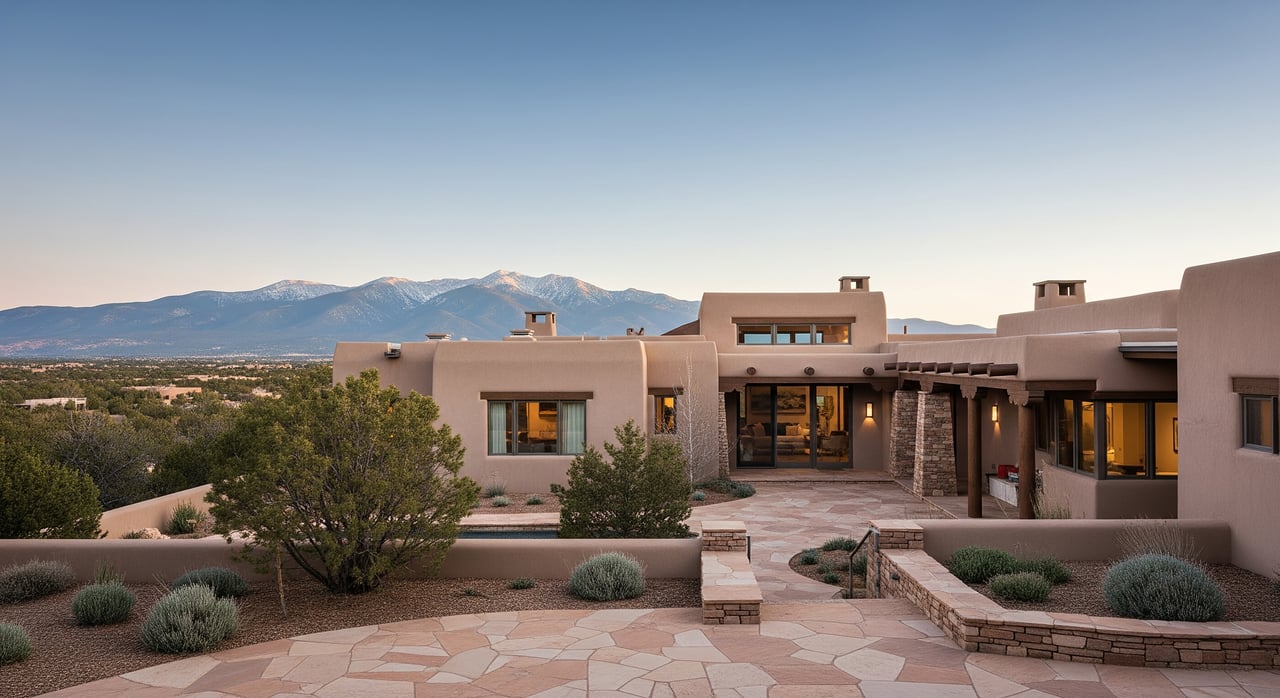
South Capital (often called South Capitol) sits in 87501, just south of the Roundhouse and close to the Plaza and Canyon Road. Buyers here often value walkability, cultural access, and the look and feel of traditional Santa Fe architecture. Historic features matter, but so do comfort and performance.
What buyers value in 87501
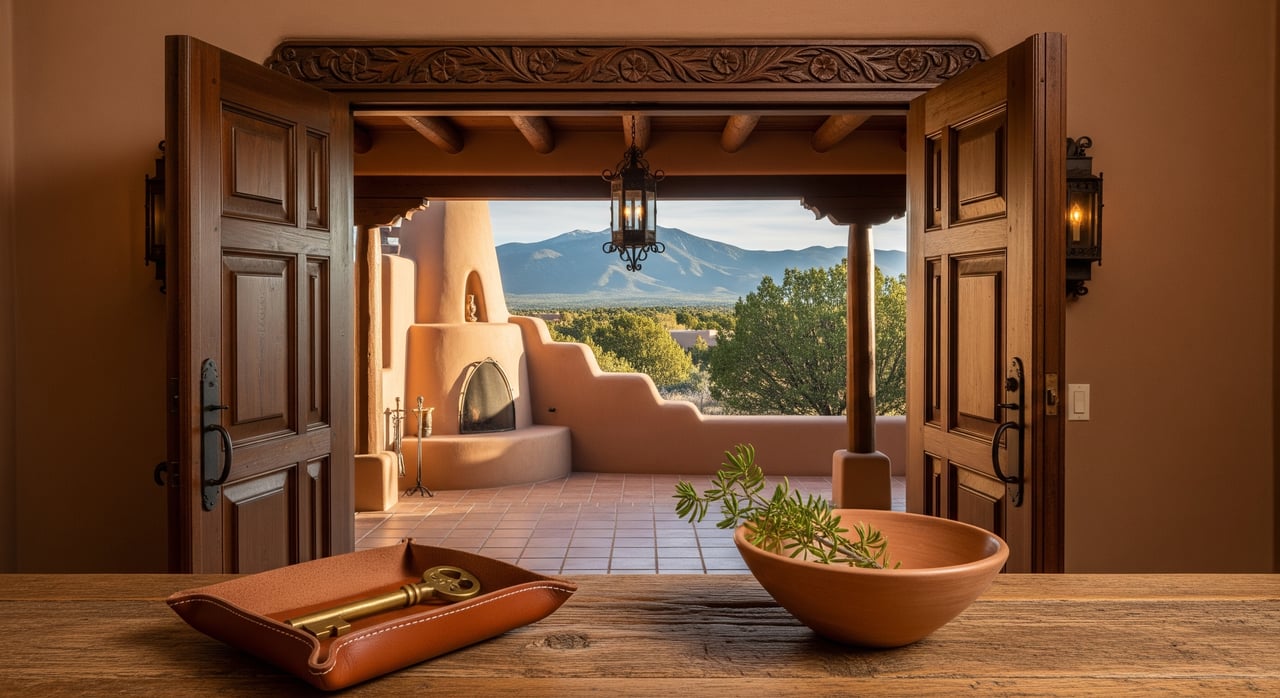
- Architectural authenticity: vigas, latilla or beam ceilings, kiva fireplaces, adobe walls, carved doors, and nichos.
- Modern systems: efficient HVAC, updated electrical and plumbing, quality windows, and insulation.
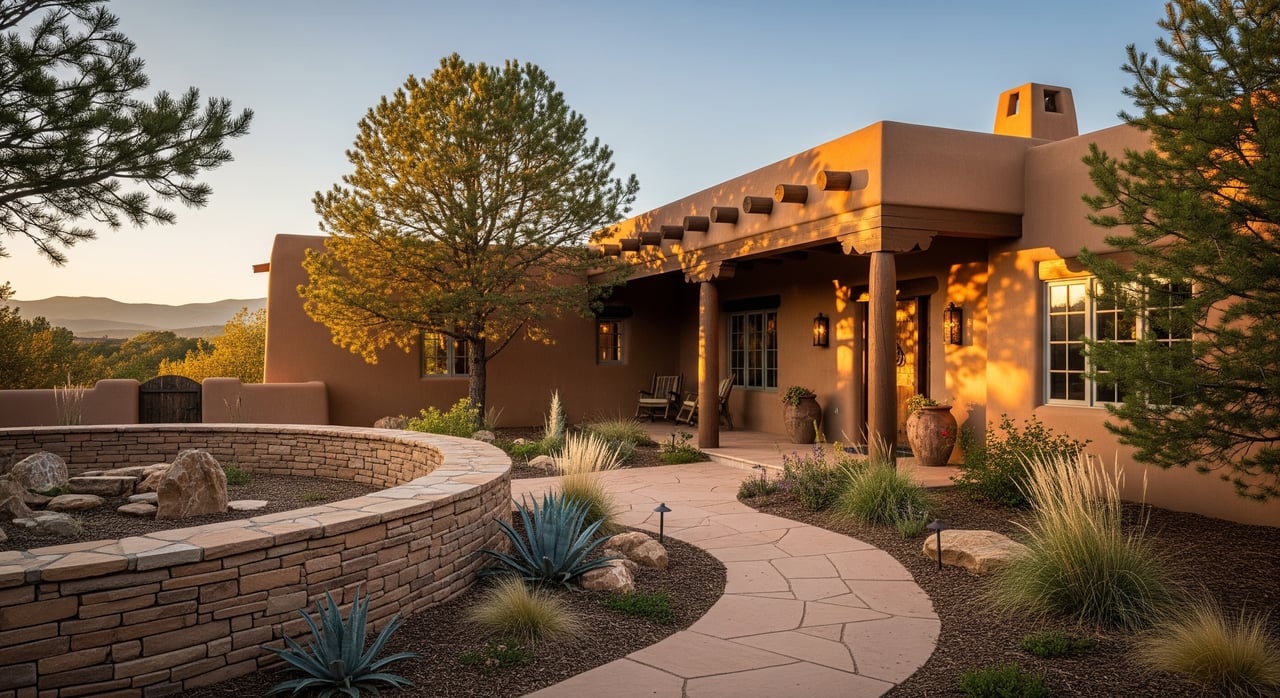
- Outdoor living: private courtyards, usable garden spaces, and permitted outdoor features.
- Location nuance: proximity to the Plaza/Capitol, privacy, views, parking, and corner vs mid-block lots.
Seasonality and timing
Buyer interest in Santa Fe often rises in late spring and again in fall. If you plan to list in the next 6–12 months, aim for these windows when possible. Historic homes sometimes need specialized marketing and buyer education, so build in extra time for preparation.
Choose the right comps
You set the price story by picking comps that mirror your home’s location, style, and condition. Start close, then expand only as needed.
Comp selection checklist
- Geographic radius: prioritize sales within 0.25–1.0 mile and within the same micro-market. For South Capitol, favor comps with similar walkability to the Plaza/Capitol.
- Time window: use the most recent 6–12 months; stretch to 12–24 months if necessary, weighting recent sales more.
- Property type: stick to single-family adobe or Pueblo/Territorial styles similar to yours. Avoid condo/townhome comps unless identical in product and setting.
- Living area: target comps within ±10–20% of your square footage; adjust when necessary.
- Outdoor space: compare lot usability and courtyard quality, not just lot size.
- Historic context: separate formally designated historic homes, district properties, and older homes without designation.
Micro-market filters to apply
- Walkability and Plaza/Capitol proximity.
- Presence of views and solar orientation.
- Parking, alley access, or garage availability.
- Architectural sub-style and integrity of original features.
Data pitfalls to avoid
- Confirm heated square footage and count only permitted living area.
- Verify bedrooms, baths, and the status of ADUs or guesthouses.
- Note sale conditions; exclude distress or atypical flips unless they set the local norm.
Fine-tune with the right adjustments
Once you have suitable comps, adjust thoughtfully. Keep a consistent hierarchy: correct for location, size, and condition first, then refine with features.
Common adjustment categories
- Living area: apply per-square-foot or percentage adjustments based on matched comps.
- Condition and finishes: define tiers such as intact/original, updated sympathetically, or fully modernized.
- Architectural authenticity: intact historic details can carry a premium relative to altered properties; quantify by comparing similarly authentic comps.
- Systems and energy performance: up-to-date HVAC, electrical, plumbing, and insulation reduce buyer friction; adjust using realistic retrofit costs.
- Views and privacy: clear mountain or city-light views and secluded courtyards often warrant percentage premiums.
- Outdoor living: quality courtyards, terraced gardens, and permitted outdoor kitchens can support higher pricing.
- Additions and permits: permitted guesthouses add value; unpermitted spaces invite discounts or pre-sale remediation.
- Parking and access: off-street parking or a garage is scarce near the center and can merit a positive adjustment.
- Historic district oversight: some buyers value protections; others discount for limitations. Treat as a negotiation factor supported by comps.
Build a simple comp grid
Create a side-by-side grid for your top 3–6 comps. Include location, size, lot usability, views, condition, historic features, systems, parking, permits, sale type, days on market, and concessions. This visual helps you defend your price during showings and appraisal.
A 6–12 month pricing plan
A measured runway lets you protect authenticity while elevating comfort. Here is a step-by-step framework tailored to South Capitol sellers.
Months 6–3: Prep and discovery
- Pull recent MLS sales within 0.5 mile; expand only if stock is thin.
- Verify assessor records for lot size, legal description, and permitted structures.
- Commission targeted inspections focused on roof, electrical, foundation, and insulation.
- Decide on improvements that enhance comfort without erasing character. Prioritize systems and sympathetic cosmetic work.
- Gather written estimates and fold them into your net proceeds plan.
Months 3–1: Build the price range
- Select 3–6 primary comps and finalize your comp grid.
- Set a base value range using the closest matches, then apply adjustments item by item.
- Model three scenarios with expected days on market:
- Aggressive: top of the adjusted range; accepts longer market time to test demand.
- Market: mid-range; targets typical time-to-contract.
- Cautious: slightly under midpoint; aims for multiple offers and speed.
Launch: Marketing and early feedback
- Highlight authenticity and comfort upgrades in all materials. Use professional photography to showcase vigas, kiva fireplaces, courtyards, and views.
- Provide a buyer packet with permits, surveys, recent repairs, and any historic approvals to reduce uncertainty.
- Monitor showings during the first 10–21 days; adjust within pre-agreed parameters if feedback signals mispricing.
Disclosure, permits, and financing
Santa Fe’s historic fabric is a strength, and it comes with responsibilities. Preparing documentation early supports a smoother sale and appraisal.
- Complete all state-mandated seller disclosures and note any known material defects.
- For homes built before 1978, provide federal lead-based paint disclosures and follow applicable renovation rules.
- If your property lies in a historic district, document prior approvals and any restrictions on exterior changes.
- Verify permits for additions, guesthouses, or major system work; unpermitted items can affect financing and price.
- Coordinate with the buyer’s lender and appraiser as needed. Supply your comp grid and documentation to support value.
Positioning your listing
Presentation matters as much as pricing in 87501’s historic core. You want buyers to feel the story of your home and trust its performance.
- Lead with authenticity: emphasize preserved materials and details.
- Confirm comfort: showcase system upgrades and energy improvements.
- Celebrate livability: highlight courtyards, privacy, and walkability to the Plaza, Capitol, and Canyon Road.
- Remove doubt: provide clear records, permits, and recent service receipts.
Partner with local experts
Pricing in South Capitol benefits from neighborhood-level insight and careful storytelling. A boutique team with historic-district experience can help you refine comps, plan high-impact improvements, and present your home to the right buyers at the right time. If you are considering a sale in the next year, we are here to help you price with confidence and launch with purpose.
Ready to talk strategy for your South Capitol home? Request a private consultation with Stedman/Kehoe/Hirsch/Pollack.
FAQs
How do historic features impact value in South Capitol?
- Intact details like vigas, kiva fireplaces, and adobe walls can command premiums when supported by local comps, while degraded or nonfunctional elements may reduce value.
Should you fully modernize a historic Santa Fe home before selling?
- Not necessarily. Targeted system upgrades and sympathetic updates usually deliver stronger returns than altering original character.
How long does it take to sell a well-priced 87501 historic home?
- Time varies by season and list strategy. Homes near the Plaza often move faster; unique properties may take longer but achieve strong results with the right positioning.
What documents help justify premium pricing in 87501?
- Recent permitted work, inspection findings and repairs, historic approvals, energy upgrades, surveys, and a clear comp grid that matches your home’s features.
How should you handle unpermitted spaces before listing in South Capitol?
- Verify status with city or county records. If work is unpermitted, consider permitting or price accordingly and disclose clearly to reduce financing and appraisal risk.